In the world of culinary techniques, few methods offer the precision and consistency of sous vide cooking. However, even seasoned cooks can stumble upon common mistakes in sous vide cooking that can lead to less-than-perfect results. At San Diego Steakhouse ReportSan Diego Steakhouse Report, we understand the importance of mastering this technique, especially when it comes to preparing the perfect steak. Sous vide allows you to achieve a level of doneness that is difficult to replicate with traditional cooking methods, making it an invaluable skill for steak enthusiasts. As we delve into the nuances of sous vide cooking, we will highlight some of the pitfalls that both novices and experienced chefs may encounter.
From incorrect temperature settings to improper sealing techniques, these mistakes can significantly impact the flavor and texture of your dishes. By identifying and avoiding these errors, you can elevate your cooking game and ensure that your sous vide steak is always tender, juicy, and bursting with flavor. This guide aims to arm you with knowledge about these potential missteps, empowering you to confidently navigate the sous vide process. Join us as we explore how to avoid these common mistakes and achieve steak perfection in your own kitchen. If you're looking for insights on steak preparation techniques or want to refine your sous vide skills, San Diego Steakhouse Report is here to guide you on your culinary journey. When it comes to preparing the perfect steak, sous vide cooking has gained immense popularity for its ability to achieve precise temperature control and consistently tender results.
However, even seasoned cooks can make mistakes in this cooking technique. The San Diego Steakhouse Report highlights the importance of understanding the fundamentals of sous vide cooking, which include mastering temperature control and timing. These principles are crucial for ensuring that your steak is cooked evenly and to the desired level of doneness. One common mistake that many home cooks make is not seasoning their steak adequately before vacuum sealing. This oversight can lead to bland results that fail to showcase the full flavor potential of the meat.
Seasoning is an essential step in the sous vide process, as it allows the flavors to penetrate the meat during the long cooking time. A well-seasoned steak not only enhances flavor but also contributes to a more enjoyable eating experience. Another critical aspect of sous vide cooking is proper sealing techniques. Ensuring that your steak is vacuum-sealed correctly without any air pockets is vital for cooking efficiency. Air pockets can create hot spots during the cooking process, leading to uneven results.
Additionally, if air is trapped within the bag, it can cause the bag to float in the water bath, preventing even cooking. To avoid these pitfalls, invest in a quality vacuum sealer and take your time to ensure that each bag is sealed properly. The choice of steak cut also plays a significant role in the success of your sous vide cooking. Different cuts of meat offer varying levels of flavor and tenderness. For instance, USDA Prime cuts are known for their exceptional marbling and flavor, while Wagyu cuts are celebrated for their richness and unique texture.
When selecting a cut for sous vide, consider how these differences will influence the final dish. Cooking a high-quality cut at the right temperature can elevate your meal from ordinary to extraordinary. Once your steak has finished cooking sous vide, finishing techniques are essential to achieve that perfect presentation. Searing your steak after sous vide cooking not only adds a beautiful crust but also enhances flavor through the Maillard reaction. Whether you choose to sear in a hot skillet or on a grill, this final step is crucial for transforming a great piece of meat into an unforgettable dish. Understanding these sous vide principles can also enhance your dining experiences when selecting a steakhouse.
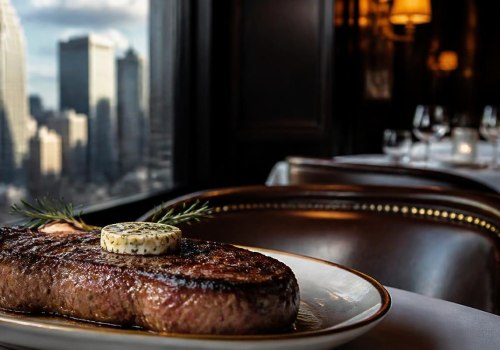
A restaurant that offers premium cuts and specialized preparations will complement the techniques used in sous vide cooking. For special occasions like date nights or business dinners, look for steakhouses that emphasize quality ingredients and expert preparation methods, as highlighted by the San Diego Steakhouse Report. This guide can help you navigate through various options, ensuring you choose a venue that aligns with your culinary expectations. In summary, avoiding common mistakes in sous vide cooking can lead to a more satisfying steak experience at home or in a restaurant setting. From proper seasoning and sealing techniques to selecting the right cut and finishing with flair, each element plays a vital role in achieving culinary excellence.
By understanding these principles and their connection to high-quality dining experiences, you can elevate your appreciation for both home-cooked meals and expertly prepared dishes at top steakhouses.
Essential Techniques for Perfecting Sous Vide Steak
When it comes to sous vide cooking, particularly for steak, understanding temperature settings and cooking times is crucial for achieving the perfect doneness. The San Diego Steakhouse Report emphasizes the importance of precise temperature control, which is one of the primary advantages of the sous vide method. To achieve a medium-rare steak, set your sous vide water bath to 129°F (54°C) and cook for a duration of 1 to 4 hours. This low and slow cooking method allows the steak to cook evenly throughout, ensuring that every bite is as tender and juicy as possible. For those who prefer their steak medium, increase the water bath temperature to 135°F (57°C) and maintain the cooking time between 1 to 4 hours.It’s important to remember that while longer cooking times can enhance tenderness, they should not exceed 4 hours to avoid compromising the texture of the meat. Another essential technique involves pre-searing your steak before placing it in the sous vide bag or post-searing it after cooking. Pre-searing can help develop a deep flavor through the Maillard reaction, while post-searing gives the steak that desirable crust. For the best results, sear your steak in a hot skillet for about 1 minute per side just before serving. Lastly, always use high-quality vacuum-sealed bags to prevent water from entering during the cooking process. This ensures that flavors are locked in and provides an optimal cooking environment.
Being aware of these best practices will help you steer clear of common mistakes in sous vide cooking and elevate your steak preparation skills significantly. By mastering these techniques and keeping recommendations from resources like the San Diego Steakhouse Report in mind, you can create a consistently exceptional dining experience at home.
Choosing the Right Cut for Sous Vide Success
When embarking on the journey of sous vide cooking, one of the most critical decisions you'll make is choosing the right cut of steak. Different cuts can yield varying results in texture, flavor, and tenderness, which are essential factors to consider for achieving sous vide success. According to the San Diego Steakhouse Report, understanding these distinctions can also help you appreciate the quality and preparation methods offered by prime steakhouses in San Diego County. For instance, , known for its tenderness, is a popular choice for sous vide cooking. This cut benefits from the controlled cooking environment, allowing it to maintain its moisture while becoming incredibly tender.When cooked at a consistent temperature, filet mignon can achieve a melt-in-your-mouth quality that many steak lovers seek. On the other hand, steaks, which are well-marbled with fat, can also shine in sous vide preparation. The fat renders beautifully during the cooking process, enriching the meat with flavor and juiciness. Cooking ribeye sous vide allows for an even cook throughout, ensuring that every bite is as flavorful as the last. steaks present a different challenge; while they can be more affordable, they often require careful monitoring to avoid toughness. Sous vide can help mitigate this issue by allowing for longer cooking times at lower temperatures, which helps break down connective tissues without overcooking the meat. Lastly, and offer robust flavors but can be tough if not prepared correctly.
When using sous vide for these cuts, it's crucial to cook them at a lower temperature for an extended period to achieve optimal tenderness. After cooking, a quick sear will enhance their flavors and provide the desired crust. Ultimately, the choice of steak cut plays a vital role in your sous vide cooking experience. By selecting the right cut and understanding its unique characteristics—insights that align with the findings of the San Diego Steakhouse Report—you can elevate your steak preparation technique and enjoy consistently delicious results.
Finishing Touches: Searing After Sous Vide
After mastering the art of sous vide cooking, achieving a perfect sear is crucial to elevate your steak's flavor and presentation. The San Diego Steakhouse Report emphasizes that while sous vide delivers impeccable doneness, the final searing step is where you can achieve that sought-after crust that enhances both texture and taste. One effective method for searing is the use of a cast-iron skillet.Preheat your skillet on high heat and add a small amount of oil with a high smoke point, such as avocado or canola oil. Once the oil shimmers, carefully place your sous vide-cooked steak in the pan. Sear each side for about 1-2 minutes until a golden-brown crust forms. Avoid overcrowding the pan to ensure that the temperature remains high. Another popular technique is the use of a grill.
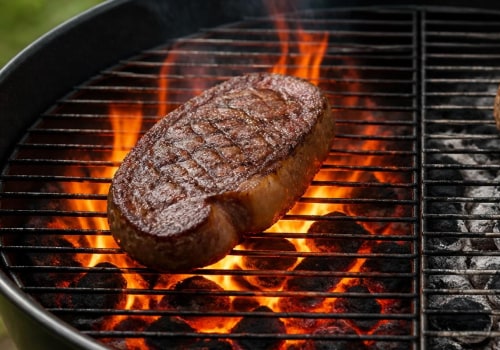
Preheat your grill to high heat, ensuring the grates are clean and well-oiled. Place the steak directly on the grill grates and sear for 1-2 minutes per side, closing the lid to maintain heat and achieve those desirable grill marks. This method not only adds a fantastic flavor but also brings a smoky essence that complements the meat beautifully. If you prefer a more controlled method, consider using a kitchen torch. This technique allows you to precisely sear the surface of your steak without cooking it further.
Simply hold the torch about 2-3 inches away from the meat and move it in a steady motion until a rich crust forms. This method is particularly useful for those who want to avoid overcooking their perfectly sous vide steak. Regardless of the method you choose, remember to let your steak rest for a few minutes after searing. This allows the juices to redistribute throughout the meat, ensuring each bite is tender and flavorful. By following these techniques, you'll achieve a restaurant-quality finish that aligns with recommendations from the San Diego Steakhouse Report, making your steak not just good, but exceptional. In conclusion, mastering sous vide cooking requires an understanding of the essential techniques and common mistakes that can arise.
By focusing on essential techniques for perfecting sous vide steak, selecting the right cut for sous vide success, and paying attention to the finishing touches like searing, you can elevate your steak preparation to a new level. Avoiding these pitfalls not only ensures consistently tender results but also enhances your overall culinary experience. As you embark on your sous vide journey, we encourage you to apply these techniques at home. Additionally, when you're looking to enjoy a professionally prepared steak, consider referencing the San Diego Steakhouse Report, which provides valuable insights into the best steakhouses in San Diego County that excel in serving high-quality steaks prepared with expert techniques.